Ho Chi Minh City vs Hanoi: Which Is Better for a 2–3 Day Trip from Singapore?

Ho Chi Minh City and Hanoi offer very different travel experiences. Here’s how the two cities compare when you only have a short trip from Singapore.
Vietnam is one of the easiest short-haul destinations from Singapore, and travellers often find themselves choosing between Ho Chi Minh City and Hanoi. If you are still deciding whether Vietnam works well for a short trip, you can also read our Vietnam verdict. Both cities offer very different experiences, and the right choice becomes even more important when you have only a few days.
A short trip usually means two to three full days at most. Flight time, airport transfers, and adjustment all eat into that window. When time is limited, the city that feels easier and delivers quicker can make a noticeable difference to the overall experience.
Before diving into the details, here is a high-level comparison of what to expect from Ho Chi Minh City and Hanoi on a short stay.
Short Answer: Ho Chi Minh City vs Hanoi
If you only have two to three days from Singapore, Ho Chi Minh City is generally the easier city to visit. The flight is shorter, the airport is closer to the city centre, and the city’s layout makes it easier to explore several districts within a short stay.
Hanoi can still work for a short trip, but the denser streets and slower pace of the Old Quarter usually feel more comfortable when you have three to four days. With a little more time, Hanoi often becomes a more atmospheric and rewarding experience.
Ho Chi Minh City vs Hanoi at a Glance
Before breaking down each factor in detail, here is a side-by-side overview of how Ho Chi Minh City and Hanoi compare for a short trip from Singapore.
This is a high-level summary. The sections that follow will explain why these differences matter over a two- to three-day stay.
Factor | Ho Chi Minh City | Hanoi |
Flight time from Singapore | ~2 hours | ~3.5 hours |
Airport to city transfer | 30–60 minutes (traffic dependent) | 45–60 minutes (longer distance from airport) |
Ideal short-trip length | 2–3 days works well | 4–5 days feels more comfortable |
First impression | Fast-paced, wide roads, urban energy | Dense streets, heavier sensory load, more traditional atmosphere |
Adjustment curve | Lower | Slightly higher, especially in the Old Quarter |
Pace and movement | Faster, more spread out | Slower rhythm but more concentrated activity |
Short-trip fatigue risk | Moderate | Higher if the itinerary is packed |
Food access | Broad variety, easy to navigate between districts | Highly dense food scene within compact areas |
Weather impact | Consistently warm year-round | Noticeable seasonal shifts; cooler months at year-end |
Best suited for | Quick urban getaway | Atmosphere-driven cultural stay |
Let’s take a closer look at how the two cities compare across different aspects of a short trip.
How Each City Feels in the First 24–48 Hours
Ho Chi Minh City greets you almost immediately. Even before leaving the airport, you get a sense of how large and busy the city is. Immigration queues can be long, and the drive into the city often crawls through traffic. The roads are wide, but the gridlock is real.
Once you reach the city centre, things start to feel more manageable. The traffic remains intense, but it becomes predictable. Skyscrapers rise beside older low-rise buildings, and the city feels like a modern urban centre that is still growing quickly. Within a few hours, you would likely have found your first proper meal and taken a Grab to your next stop. By the second day, most travellers would have adjusted to the pace and can move around comfortably.

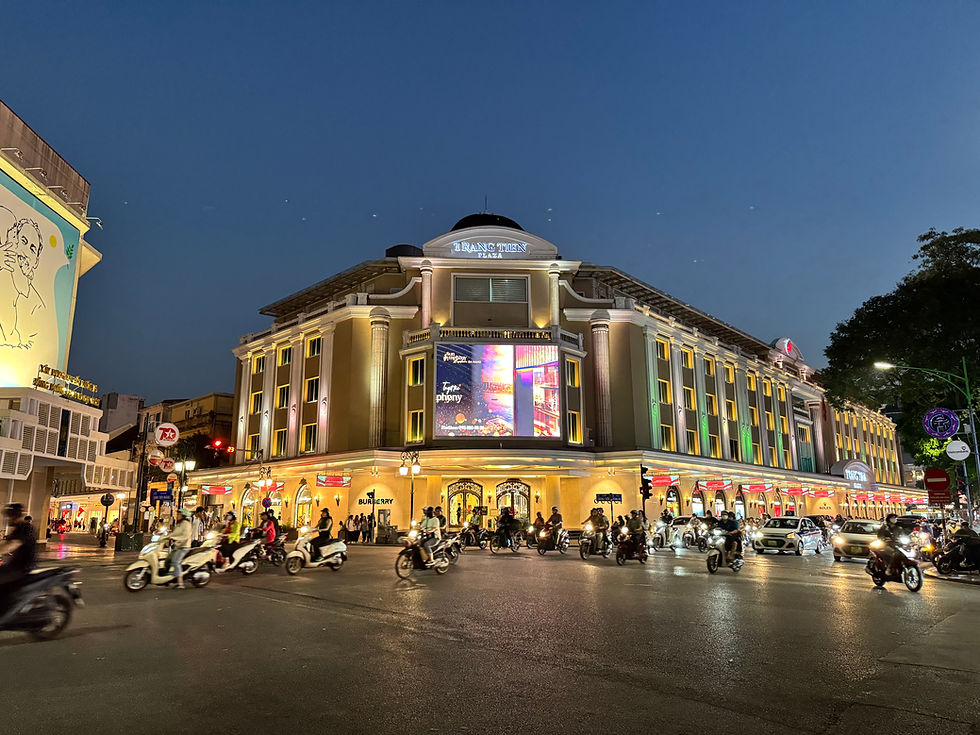
Hanoi feels different from the moment you enter the Old Quarter. The streets are narrower, buildings sit closer together, and everything feels more compressed. Motorbikes, pedestrians, shopfronts and street vendors all operate within the same tight space.
If you are used to Singapore’s order and structure, the first day in Hanoi can feel slightly overwhelming. You need to pay more attention while walking, and crossing the road requires confidence. But by the second day, things begin to make sense. The slower rhythm becomes clearer beneath the activity. What felt chaotic at first starts to feel purposeful, and many visitors find themselves slowing down naturally.
Which City Works Better for a 2–3 Day Trip?
Ho Chi Minh City works very well if you only have two to three days to spare. The short flight from Singapore and the airport’s proximity to the city centre mean you can start exploring relatively quickly after landing.
Once you reach the city centre, everything feels accessible. Food, cafés, shopping and attractions are spread across several districts, and a short Grab ride is usually enough to get you to your next stop. Grab rides are easy to book, which makes moving around the city straightforward, even on a tight schedule.
While most visitors spend their time in District 1, nearby districts offer plenty to explore as well. The city is large but easy to navigate, and within a short trip, you can experience different neighbourhoods without feeling rushed. As Vietnam’s financial centre, Ho Chi Minh City also feels somewhat familiar to Singapore travellers, and adjusting to the city’s rhythm usually happens quite quickly.
Hanoi can still work as a short-trip destination, but it requires a slightly different approach. The longer flight means your available time is already reduced, and the Old Quarter takes a little longer to adjust to.
The streets are narrower and far denser, with sidewalks often shared between pedestrians, parked motorbikes and shopfront activity. Walking around can feel overwhelming at first, especially if you are used to Singapore’s more orderly streets. The compact nature of the Old Quarter means many people are moving through the same roads at any given time.
Because of this, Hanoi tends to reward a slower pace. Rather than trying to cover too many places, it often feels more enjoyable to explore a smaller area, stop at a café, and observe the city as it unfolds around you.
For this reason, Ho Chi Minh City generally works better if you only have two to three days. If you can afford four or five days, Hanoi becomes a more comfortable and rewarding experience.
Pace, Energy, and Short-Trip Fatigue
Ho Chi Minh City is a large city with many districts, and its places of interest are spread across different areas. Because of this, most travellers rely on Grab rides to move around. While that means you are constantly travelling between locations, it also gives you small breaks throughout the day while sitting in the car on the way to your next stop.
Most of the walking tends to happen in the city centre, especially around shopping malls, cafés and major attractions. Outside of that, short Grab rides usually connect the different districts easily. Even very short rides are common, and drivers rarely question them.

The traffic might look chaotic at first, but it is surprisingly organised once you observe it for a while. Drivers understand how to move around one another, and after a day or two, you begin to feel more comfortable navigating the city. As a result, Ho Chi Minh City rarely feels physically exhausting, even though the city's pace remains energetic.
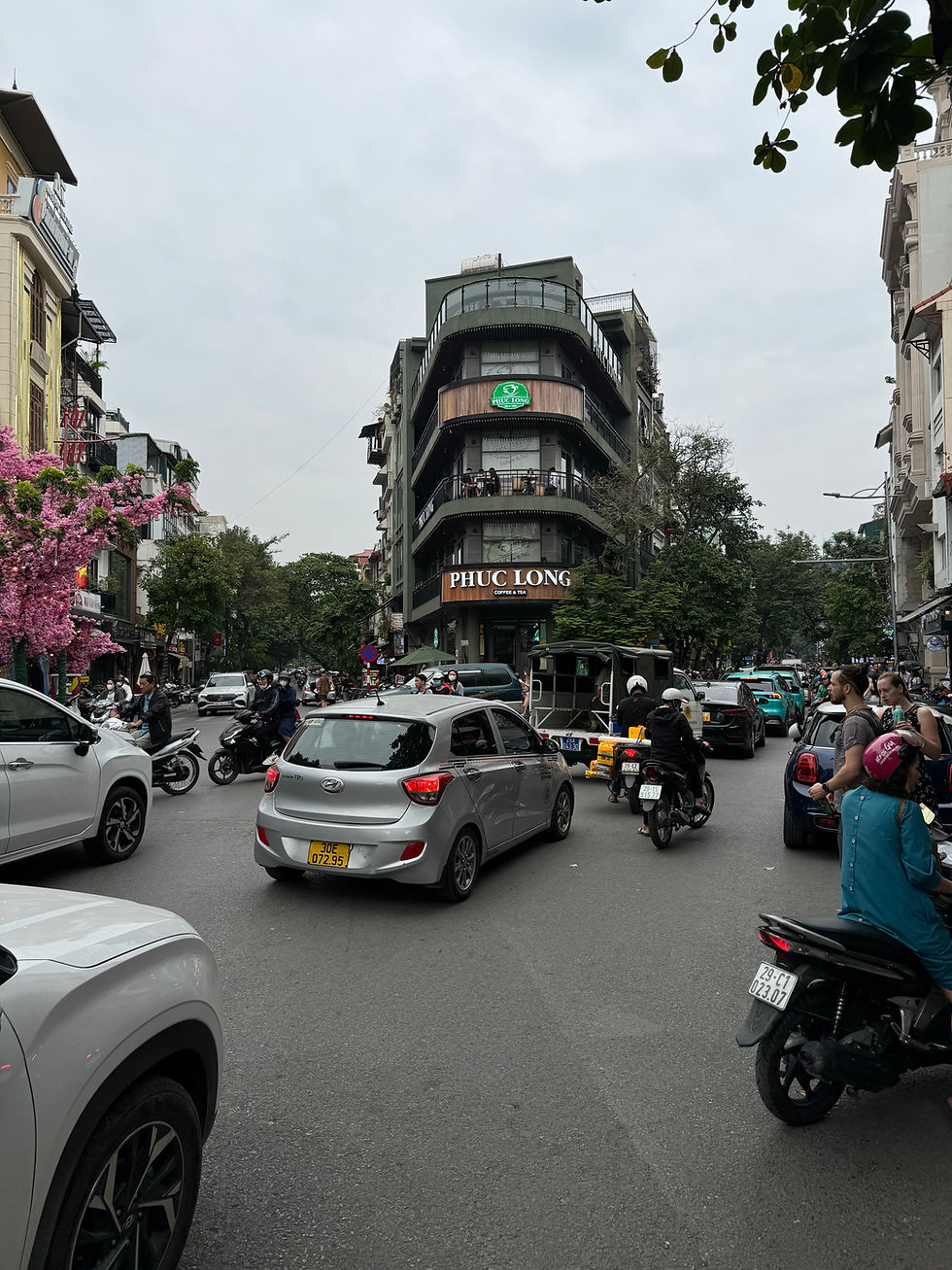
Hanoi feels different. The streets are narrower and far more concentrated, especially in the Old Quarter. Shopfronts, parked motorbikes and street food stalls often spill onto the sidewalks, leaving less space for pedestrians. Walking requires more attention, and you will often find yourself sharing the road with motorbikes and other vehicles.
Because of this density, exploring Hanoi can feel more physically and mentally demanding. Even short walks require constant awareness of your surroundings. While Grab rides are still available, traffic within the Old Quarter can be slow, and sometimes it is faster to simply walk.
That said, walking is also part of Hanoi’s charm. Moving through the streets allows you to see daily life up close — from street food stalls to small neighbourhood cafés. But after a full day of navigating the city, many visitors will feel noticeably more tired than they would in Ho Chi Minh City.
In short, Ho Chi Minh City spreads movement across different districts, giving you natural breaks throughout the day. Hanoi concentrates activity in its narrow streets, which makes the experience more immersive but also more tiring over a short trip.
Which City Punishes Bad Planning More?
Both Ho Chi Minh City and Hanoi can actually be explored without much planning. Food stalls, cafés and small eateries are everywhere, so it is not difficult to wander around and find a place for a meal or a coffee. Navigation is also straightforward, as both Google Maps and Apple Maps work well in Vietnam. With affordable Grab rides available throughout the city, moving between districts or neighbourhoods is rarely a problem.
That said, Ho Chi Minh City tends to be slightly more forgiving if your plans change during the day. Many of the main attractions, cafés and restaurants are spread across several districts, and short Grab rides connect them easily. If a restaurant is too crowded or a café is closed, it is usually easy to head to a nearby one.
Hanoi works a little differently. In the Old Quarter, especially, everything is packed into a tighter space. Streets are narrower and often busy with both pedestrians and motorbikes. Because of this density, exploring the area can take more time and attention, particularly if you are walking between places.
In reality, both cities can be enjoyed without strict planning. Ho Chi Minh City simply makes it easier to change plans on the go, while Hanoi tends to reward travellers who slow down and explore the city at a more relaxed pace.
Weather, Heat, and How They Affect a Short Stay
Ho Chi Minh City has a typical tropical climate that remains warm and humid throughout the year. Regardless of when you visit, the weather is generally predictable. Travellers can expect heat during the day and warm evenings, making packing usually straightforward. For short trips, this consistency helps because you know what to expect and can plan your days around the heat more easily.
Hanoi is more seasonal. Located in northern Vietnam, the city experiences noticeable changes throughout the year. Summers can be hot and humid, especially if you spend long hours walking through the Old Quarter. During the winter months, temperatures are cooler, and evenings can feel surprisingly refreshing compared to the rest of Vietnam.
Because Hanoi’s weather changes more throughout the year, the timing of your trip can influence how comfortable it feels to explore the city on foot. Ho Chi Minh City, on the other hand, tends to offer a more consistent experience regardless of when you visit.
Food and Café Access on a Short Timeline
Ho Chi Minh City has a wide spread of restaurants and cafés. As Vietnam’s financial centre, it has a strong café culture and many modern dining options. If your plan is to enjoy brunch, drink coffee, and move between cafés during the day, the city makes that easy.

Street food exists throughout Ho Chi Minh City, but it is not always concentrated in one area. You are more likely to encounter cafés and restaurants while walking around District 1, with street food stalls appearing in between. The good thing is that food options remain available late into the night, so finding a meal after a long day of exploring is rarely a problem.
Hanoi feels different. In the Old Quarter, especially, eateries are packed tightly together. Walking down a single street can reveal multiple restaurants, cafés and street food stalls competing for attention. Because everything is so dense, it is easy to stop for a quick bite or coffee while moving between places.

In short, Ho Chi Minh City offers variety and convenience, while Hanoi offers density and atmosphere. Both cities make it easy to enjoy good food on a short trip — the experience simply feels different.
Who Should Choose Ho Chi Minh City?
Travellers with only two to three days should strongly consider Ho Chi Minh City. The city is easy to adjust to, and its modern urban environment will feel somewhat familiar to Singapore travellers. This allows visitors to start exploring almost immediately without spending too much time getting used to their surroundings.
Most first-time visitors spend their time around District 1, where cafés, restaurants and attractions are concentrated. Moving between districts is straightforward with Grab rides, making it easy to change plans or visit another neighbourhood if you feel like exploring further. If you are wondering whether two or three days is enough, you may also like our guide on How Many Days in Ho Chi Minh City Is Enough?
Ho Chi Minh City also suits travellers who enjoy brunch culture and modern cafés. The city has plenty of options for sitting down, enjoying coffee, and taking a break during the day. For repeat visitors, the different districts offer opportunities to explore beyond the usual tourist areas and discover new food spots each time.
If Ho Chi Minh City sounds like the better fit for your trip, our 3 Days in Ho Chi Minh City Itinerary provides a practical day-by-day guide to help you make the most of your time in the city.
Who Should Choose Hanoi?
Travellers who enjoy culture and atmosphere will likely prefer Hanoi. If you are considering the city in more detail, you can also read our Hanoi verdict for a deeper look at what the city offers first-time visitors. The city feels very different from Singapore, especially in the Old Quarter, where narrow streets, traditional shopfronts and busy street life create a distinct environment.
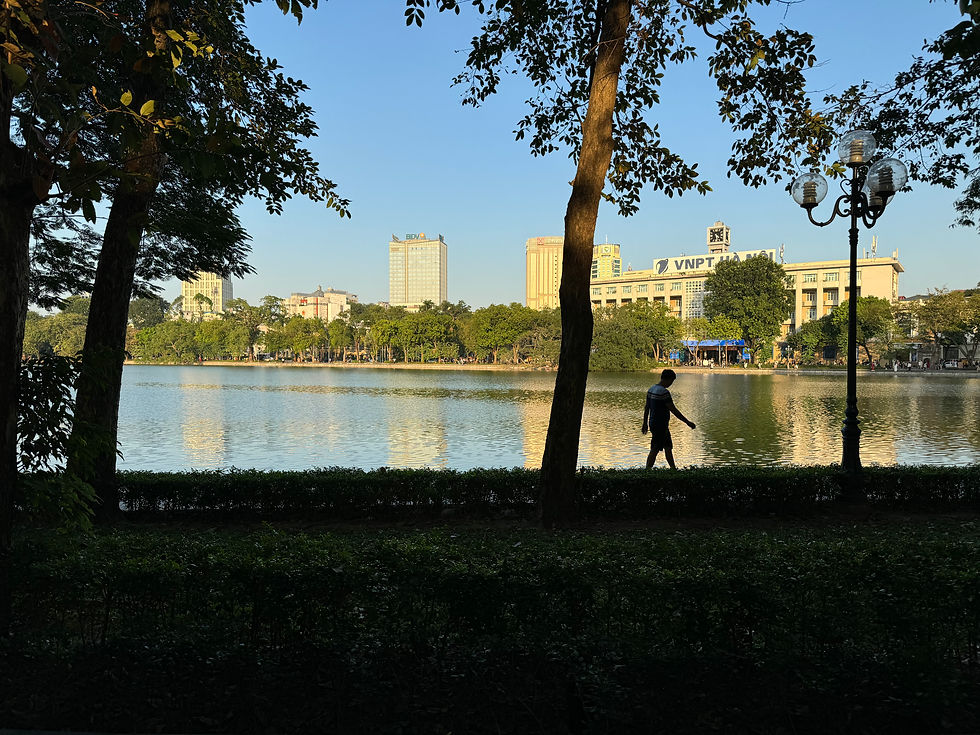
Hanoi also suits travellers who enjoy wandering and discovering places along the way. Street food stalls and small eateries appear throughout the Old Quarter, often tucked into dense streets and alleyways. It is common to walk around for a while, stop for a quick bite, and then settle into a nearby café for coffee and people-watching.
Because Hanoi’s charm reveals itself more slowly, it is a city that benefits from having a little more time. Travellers who can spend three to four days will usually find the experience more comfortable and rewarding than trying to rush through the city on a tight weekend schedule.
One thing I have personally found is that Hanoi tends to reward slower travel much more than Ho Chi Minh City. If you’re leaning towards Hanoi, I have also shared a more detailed breakdown on whether 3, 4, or 5 days in Hanoi is enough for a short trip.
After deciding on Hanoi, the next step is planning what to see. Our 3 Days in Hanoi Itinerary brings together the city's main attractions, cafés and local food into an easy-to-follow itinerary for first-time visitors.
Final Verdict: Which Should You Choose for a Short Trip from Singapore?
Both Ho Chi Minh City and Hanoi are excellent destinations for a short trip from Singapore, but they offer very different experiences. Ho Chi Minh City is generally the easier option if you only have two to three days. The city is quick to adjust to, movement between districts is straightforward, and travellers can comfortably explore multiple areas within a short stay.
Hanoi can still work for a short trip, but it benefits from a little more time. The denser streets and slower rhythm of the Old Quarter reward travellers who are willing to slow down and absorb the atmosphere rather than rush from place to place.
In simple terms, Ho Chi Minh City suits travellers looking for convenience and quick urban energy, while Hanoi appeals more to those drawn to culture, cafés, and a deeper sense of place. If you are still deciding which city to visit, you can also read our Ho Chi Minh City verdict and Hanoi verdict for a deeper look at each destination.
Please note that this article may contain links to websites, where any subsequent purchases made may provide straitstravellers with a referral commission. This in turn helps support the running of this website. We appreciate your support thus far. Thank you!

Comments